

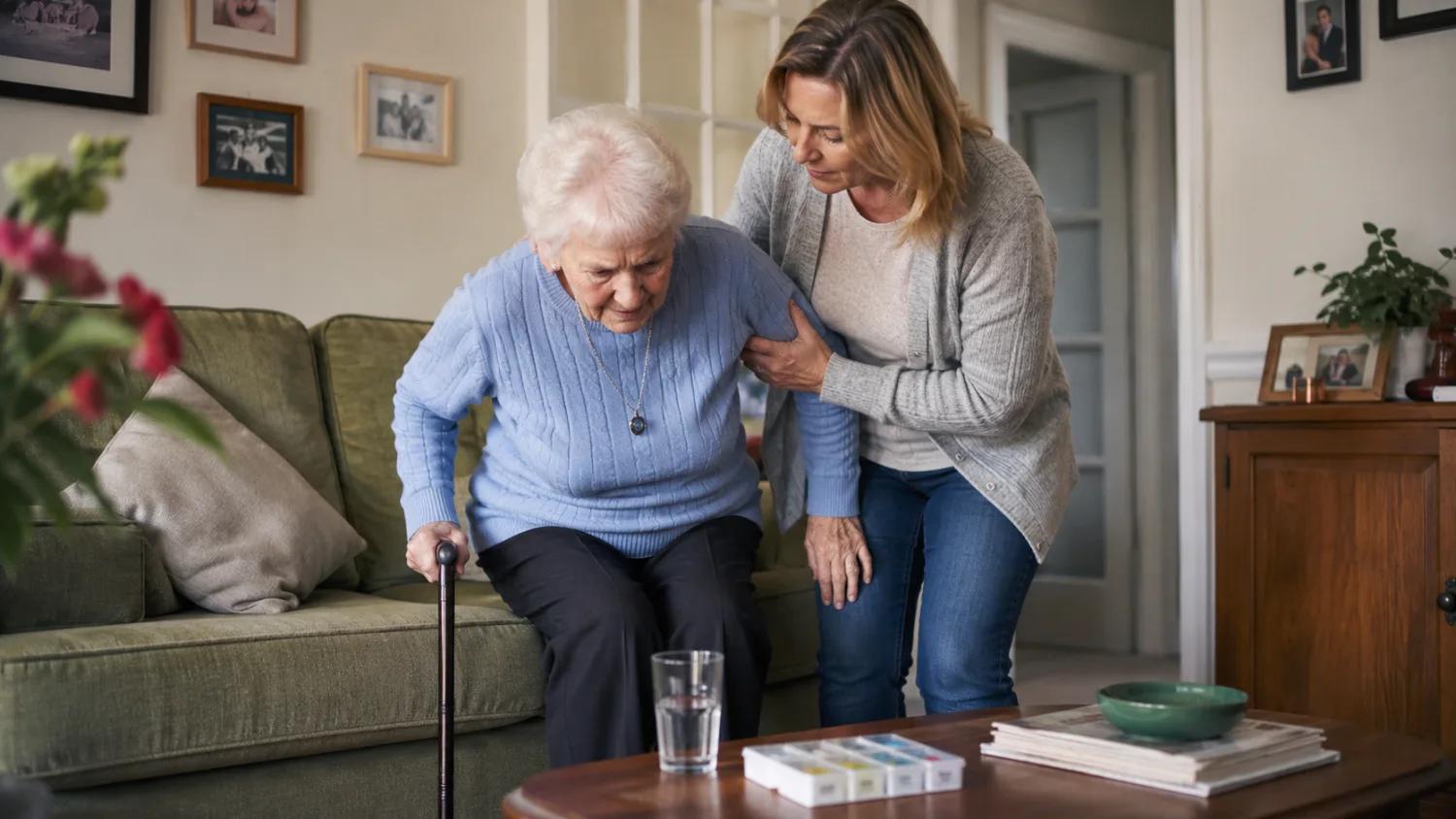
As our loved ones grow older, their safety, mobility, and independence become increasingly important. One of the biggest concerns for seniors is the risk of falling. A simple slip or loss of balance can sometimes lead to serious injuries, reduced confidence, and difficulty performing everyday activities.
The good news is that many falls can be prevented. Often, older adults show subtle changes in their walking patterns, strength, balance, or daily habits before a fall occurs. Recognizing these early warning signs can help families and caregivers take the right steps to reduce potential risks.
Understanding the warning signs that a senior may be at higher risk of falling is an important part of creating a safer environment and helping older adults maintain their independence and quality of life.
1. Difficulty Walking or Maintaining Balance
One of the earliest and most noticeable warning signs is difficulty walking or staying balanced. You may notice that your loved one has started walking more slowly, taking shorter steps, or shuffling their feet instead of lifting them properly.
Some seniors may also hold onto walls, furniture, or other objects while moving around the house. Others might struggle to turn, change directions, or walk across uneven surfaces.
These changes can occur because of muscle weakness, joint stiffness, neurological conditions, or other age-related mobility challenges.
If you notice frequent unsteadiness, it’s important not to dismiss it as a normal part of aging. A healthcare professional can help identify the cause, while balance exercises, physical therapy, or suitable mobility aids may improve stability.
2. Frequent Dizziness or Lightheadedness
Feeling dizzy or lightheaded can make everyday movements dangerous for older adults. This is especially concerning when seniors get out of bed, stand up from a chair, or change positions quickly.
Dizziness may occur for several reasons, including:
- Sudden drops in blood pressure
- Dehydration or inadequate fluid intake
- Inner ear problems affecting balance
- Side effects of certain medications
- Underlying health conditions
If your loved one frequently complains about feeling dizzy or appears unsteady after standing, it’s worth paying attention.
Encourage them to change positions slowly and seek medical advice to determine what’s causing the symptoms. Identifying and managing the underlying issue can help reduce their risk of falling.
3. Muscle Weakness and Reduced Physical Strength
Strong muscles play an important role in helping seniors remain steady and mobile. However, muscle strength can gradually decrease with age, particularly when older adults don’t get enough physical activity.
You might notice that your loved one struggles to climb stairs, walk longer distances, or stand up without assistance. They may also become tired more quickly than usual.
Weakness in the legs, hips, and core muscles can make it harder to maintain balance during daily activities.
Encouraging safe physical activity can make a meaningful difference. Simple strength-building exercises, walking, and balance training can help seniors maintain mobility and confidence.
Exercise routines should always match the individual’s physical abilities and medical needs.
4. Previous Falls or Near-Fall Experiences
Has your loved one fallen recently or nearly lost their balance while walking? Even if they weren’t injured, these incidents deserve attention.
A previous fall is one of the strongest indicators of an increased risk of falling again. Frequent stumbling, tripping, or suddenly grabbing nearby objects for support may also suggest balance or mobility problems.
Some seniors hesitate to tell family members about these incidents because they’re concerned about losing their independence.
That’s why it’s important to create an environment where they feel comfortable discussing safety concerns.
If your loved one has experienced a fall or several near-falls, consider arranging a professional fall-risk assessment. Understanding what caused the incident can help prevent similar situations in the future.
5. Vision Problems or Changes in Eyesight
Clear vision helps us identify obstacles, judge distances, and move safely through our surroundings. When eyesight begins to decline, everyday activities can become more challenging for seniors.
Age-related conditions such as cataracts, glaucoma, and macular degeneration may affect visual clarity and awareness of the environment.
You may notice your loved one bumping into furniture, struggling to identify steps, or having difficulty walking through dimly lit rooms.
Poor vision can also make it harder to recognize changes in flooring, uneven surfaces, or objects lying in walkways.
Regular eye examinations, updated prescription glasses, and better lighting throughout the home can help reduce these risks.
6. Difficulty Getting Up From Chairs or Beds
Standing up from a chair or getting out of bed may seem like simple activities, but they require strength, coordination, and balance.
For older adults experiencing physical decline, these movements can become increasingly difficult.
Watch for signs such as needing multiple attempts to stand, pushing heavily against furniture for support, or asking for help when getting out of bed.
These difficulties may indicate reduced leg strength, joint problems, or balance issues.
Providing supportive furniture and encouraging appropriate strengthening exercises can make daily movements easier. A healthcare professional or physical therapist can also recommend safe techniques and assistive equipment when needed.
7. Medication Side Effects
Medications can help older adults manage health conditions, but certain medicines may also affect their balance, alertness, or coordination.
Some medications can cause dizziness, drowsiness, low blood pressure, or confusion, making falls more likely.
Medications that may contribute to these problems include certain:
- Sleeping medications
- Sedatives
- Antidepressants
- Blood pressure medications
- Other medicines that affect alertness or balance
Taking several medications together may increase the risk of unwanted side effects or interactions.
If you notice that your loved one has become unusually sleepy, dizzy, or unsteady after starting a new medication, speak with their healthcare provider.
Regular medication reviews are especially helpful for older adults taking multiple prescriptions. Never stop or adjust prescribed medication without professional guidance.
8. Fear of Falling or Avoiding Physical Activities
Sometimes, one of the biggest warning signs isn’t a physical symptom but a change in behavior.
A senior who once enjoyed walking, shopping, or spending time outdoors may suddenly begin avoiding those activities because they’re worried about falling.
This fear is particularly common among older adults who have experienced a previous fall or feel uncertain about their balance.
Unfortunately, avoiding movement can gradually weaken muscles and reduce flexibility, potentially increasing the risk of future falls.
It’s important to help your loved one feel safe without unnecessarily restricting their independence.
Encourage suitable physical activities, provide support when needed, and consider professional guidance to help them rebuild strength and confidence.
9. Changes in Memory or Cognitive Function
Memory and cognitive health can also influence a senior’s risk of falling.
Older adults experiencing confusion, memory loss, or difficulty concentrating may struggle to recognize environmental hazards or make safe decisions while moving around.
For example, they might forget to use their walker, misjudge the distance between objects, or attempt to climb stairs without assistance.
Changes in attention, judgment, and spatial awareness can make everyday surroundings more difficult to navigate.
If you notice increasing confusion or changes in cognitive function, consider discussing these symptoms with a healthcare professional.
Keeping the home organized, reducing clutter, and providing appropriate supervision can also support safer movement.
Sudden confusion, especially when accompanied by weakness or dizziness, requires prompt medical evaluation.
10. Unsafe Home Environment
Even seniors who are generally active and independent can face a higher risk of falling if their home contains safety hazards.
Everyday household items can become obstacles when mobility, strength, or eyesight begins to decline.
Common household fall hazards include:
- Loose rugs and carpets
- Cluttered hallways and walkways
- Slippery bathroom floors
- Poor lighting in bedrooms and stairways
- Uneven flooring
- Stairs without secure handrails
- Frequently used items stored out of easy reach
Take time to look around your loved one’s home and identify areas where accidents might happen.
Simple changes, such as installing grab bars, removing loose rugs, improving lighting, and keeping walkways clear, can make the living environment much safer.
How to Reduce the Risk of Falls in Seniors
Recognizing potential warning signs is only the beginning. Taking preventive steps can help seniors remain active, comfortable, and independent while reducing their chances of injury.
Encourage regular physical activity: Gentle walking, balance training, and strength-building exercises can help improve stability, flexibility, and coordination. Activities should be selected according to the senior’s abilities and health needs.
Schedule routine health checkups: Regular medical visits can help detect vision changes, blood pressure concerns, medication side effects, and other conditions that may contribute to falls.
Make the home safer: Remove tripping hazards, improve lighting, install bathroom grab bars, and ensure frequently used areas are easy to access.
Choose supportive footwear: Properly fitted shoes with non-slip soles can provide better stability. Avoid loose slippers or footwear that doesn’t offer adequate support.
Use mobility aids when appropriate: Canes, walkers, and other assistive devices may help seniors move more safely when properly selected and fitted by a healthcare professional.
Support healthy eating and hydration: Balanced meals and sufficient fluid intake help maintain overall health and can reduce certain causes of weakness and dizziness.
Consider professional caregiving assistance: If your loved one struggles with walking, standing, or completing everyday tasks safely, professional caregivers may provide valuable assistance and supervision.
Small, consistent changes can help make daily life safer while allowing older adults to continue doing the activities they enjoy.
When Should You Seek Professional Help?
Not every occasional stumble indicates a serious health problem. However, repeated balance difficulties, unexplained falls, or noticeable changes in mobility shouldn’t be ignored.
Consider consulting a healthcare professional if your loved one experiences persistent dizziness, frequent tripping, increasing muscle weakness, or difficulty standing and walking.
A healthcare provider can evaluate possible causes and recommend suitable treatment or support. Depending on the situation, this may include physical therapy, medication reviews, mobility aids, or a comprehensive fall-risk assessment.
Seek emergency medical care if sudden loss of balance occurs alongside symptoms such as facial drooping, difficulty speaking, or weakness on one side of the body, as these may indicate a stroke.
Getting the right support early can help address safety concerns before they lead to serious injuries.
How Family Members and Caregivers Can Help
Family members and caregivers often notice changes that seniors may overlook themselves.
You might observe that your loved one is walking more cautiously, avoiding stairs, or relying on furniture for support. Although these changes may happen gradually, they can provide important clues about increasing fall risk.
Make it a habit to check in about their mobility and any recent falls or near-falls. Encourage them to share concerns without worrying that asking for help will automatically mean losing their independence.
Supporting senior safety doesn’t mean taking over every daily activity. Instead, focus on making their surroundings safer, encouraging healthy routines, and offering assistance where it’s genuinely needed.
A thoughtful balance of safety and independence can help older adults remain active and confident in their daily lives.
Conclusion
Falls can have a significant impact on an older adult’s health, confidence, and independence. Fortunately, recognizing the early warning signs that a senior may be at higher risk of falling can help families take meaningful preventive action.
Difficulty walking, frequent dizziness, muscle weakness, vision changes, previous falls, and cognitive difficulties are all important signs to watch for.
By encouraging appropriate exercise, maintaining regular health checkups, improving home safety, and providing caregiving assistance when needed, you can help create a safer and more supportive environment for your loved one.
Fall prevention begins with awareness, and taking action early can help seniors stay safer, healthier, and more independent as they age.
leave a comment