

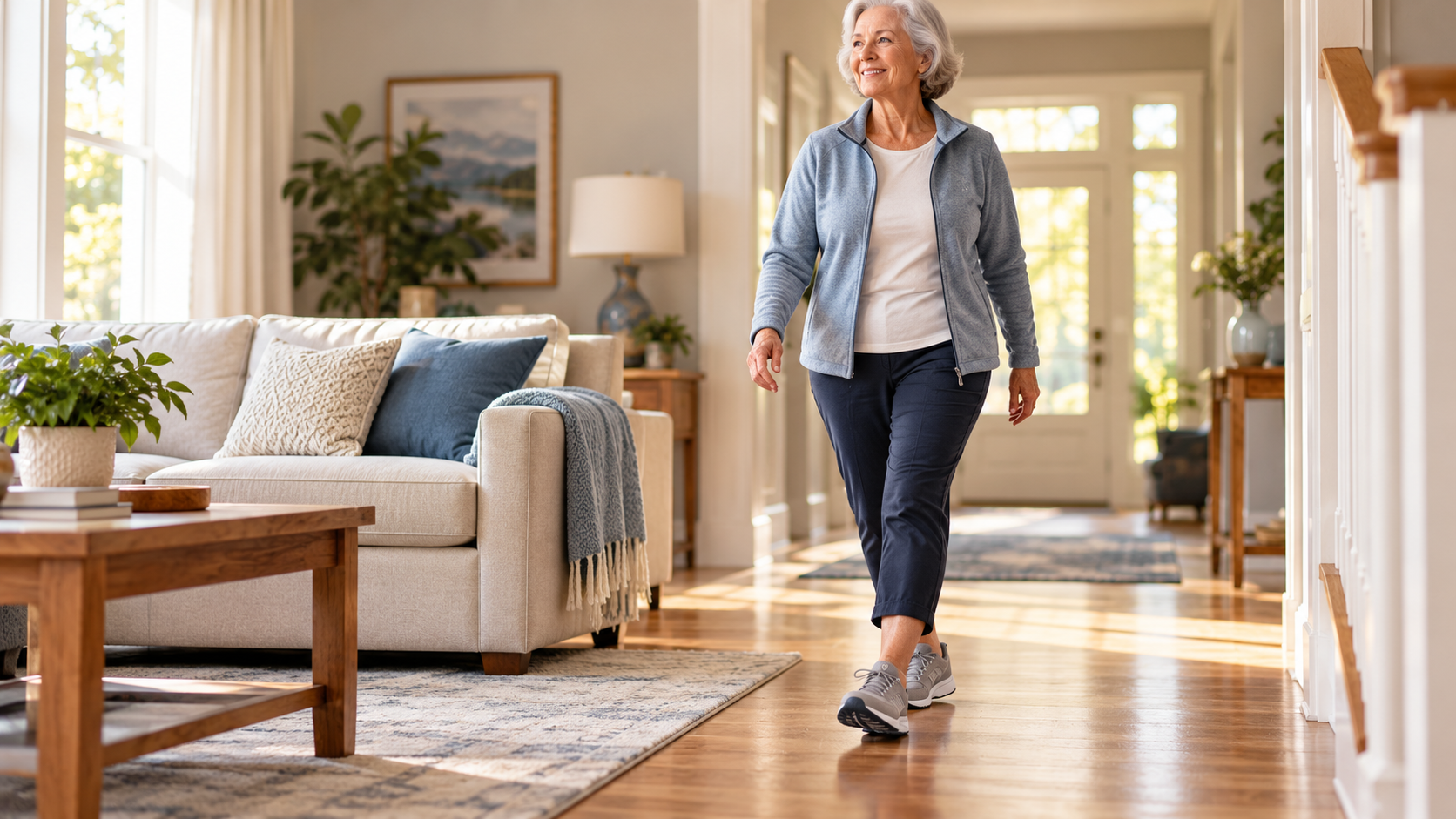
As we grow older, maintaining balance and stability becomes increasingly important for everyday safety. Simple activities such as walking around the house, climbing stairs, or stepping outdoors can become more challenging with age. While many factors influence mobility, one aspect that often goes unnoticed is footwear.
The shoes we wear play an important role in how we walk, balance, and move across different surfaces. For older adults, choosing the right footwear is not just about comfort or appearance—it is also about safety and confidence.
Understanding how footwear affects fall risk can help older adults and their families make better choices that support safe and comfortable movement.
The Connection Between Footwear and Fall Risk
Footwear provides the foundation for every step we take. Well-designed shoes can support the feet, improve grip, and help maintain stability while walking. On the other hand, unsuitable footwear may increase the likelihood of slipping, tripping, or losing balance.
As people age, natural changes in muscle strength, flexibility, coordination, and foot sensation can affect walking patterns. When these changes are combined with poorly fitting or unsupportive shoes, the risk of falling may increase.
Choosing footwear that provides a secure fit, adequate support, and reliable traction can make everyday movement safer and more comfortable.
How Different Footwear Choices Can Affect Safety
1. Poorly Fitting Shoes Can Affect Balance
Shoes that are too loose or too tight can make walking uncomfortable and unstable. Loose footwear may move around the feet, increasing the possibility of stumbling. Tight shoes can cause discomfort and restrict natural foot movement.
Properly fitted shoes allow the feet to move comfortably while providing enough support to maintain stability. A secure fit around the heel and adequate space for the toes are important features to consider.
2. Slippery Soles Can Increase the Chances of Falling
The grip of a shoe plays an important role in preventing slips, especially on smooth or wet surfaces.
Shoes with worn-out or smooth soles may provide insufficient traction, making it difficult to maintain stability on tiled floors, polished surfaces, or outdoor pathways.
Footwear with slip-resistant soles and suitable tread patterns can help improve grip and provide greater confidence during daily activities.
3. High Heels May Reduce Stability
High heels can change the natural position of the foot and affect how body weight is distributed while walking. This may make it harder to maintain balance, particularly for older adults who already experience mobility challenges.
Low-heeled footwear with a broad, stable base generally offers better support and is a more practical choice for everyday use.
4. Loose Slippers May Create Tripping Hazards
Slippers are commonly worn at home because they are easy to put on and comfortable to wear. However, loose or backless slippers may not provide enough support.
When slippers slide off the feet or move unexpectedly, they can contribute to trips and instability.
Choosing indoor footwear with a secure fit, supportive heel design, and slip-resistant soles can help make movement around the home safer.
5. Worn-Out Footwear Can Lose Its Support
Even comfortable shoes may become less supportive over time. Regular use can cause soles to wear down, materials to weaken, and the shoe structure to lose its original shape.
Worn-out footwear may not provide the same level of grip and stability as a well-maintained pair.
Checking shoes regularly for signs of damage or excessive wear is a simple habit that can support safer walking.
Important Features to Look for in Footwear for Older Adults
The right footwear should combine comfort, practicality, and stability. Although individual needs may vary, certain features can make shoes more suitable for everyday use.
Non-Slip Soles: Shoes with slip-resistant soles can improve traction and help reduce slipping on different surfaces.
Proper Fit: Footwear should fit securely without squeezing the feet or allowing excessive movement inside the shoes.
Low and Stable Heels: A low heel with a broad base can provide better stability during walking.
Supportive Design: Shoes that offer adequate support around the heel and midfoot can help promote comfortable movement.
Secure Fastenings: Adjustable straps, laces, or other secure closures can help keep shoes in place throughout the day.
Comfortable Materials: Breathable, comfortable materials can help reduce irritation and make footwear easier to wear for extended periods.
Choosing shoes with these features can support better walking comfort and help older adults feel more confident in their daily routines.
Why Indoor Footwear Matters Too
When thinking about fall prevention, outdoor shoes often receive the most attention. However, indoor footwear is equally important.
Many everyday activities take place on smooth household surfaces such as tiles, wooden floors, and polished flooring. Walking barefoot, wearing socks, or using loose slippers may increase the risk of slipping for some older adults.
Supportive indoor shoes with appropriate grip can be a practical option, particularly for individuals who experience balance difficulties.
Keeping floors dry, removing unnecessary obstacles, and ensuring good lighting can further improve safety around the home.
The Importance of Comfort and Confidence
Comfortable footwear does more than protect the feet. It can also influence how confidently a person moves.
When shoes fit well and provide adequate support, walking may feel more natural and secure. In contrast, uncomfortable or unstable footwear can cause hesitation and make everyday activities more difficult.
For older adults, maintaining confidence in movement is an important part of staying active and independent.
Choosing appropriate footwear can help encourage regular movement, making it easier to participate in daily activities, enjoy short walks, and maintain an active lifestyle.
Simple Footwear Habits That Can Support Safer Walking
Small changes in everyday footwear habits can make a meaningful difference.
- Check shoes regularly: Look for worn-out soles, damaged heels, or loose materials.
- Choose comfort over appearance: Prioritize footwear that fits properly and supports natural walking.
- Avoid loose footwear: Select shoes that stay securely attached to the feet.
- Wear appropriate shoes indoors: Consider supportive footwear instead of slippery socks or unstable slippers.
- Pay attention to foot discomfort: Pain, pressure, or irritation may indicate that footwear is unsuitable.
- Consider individual needs: Older adults with specific foot conditions or mobility difficulties may benefit from professional guidance.
By developing these simple habits, older adults can make footwear choices that support safer and more comfortable movement.
Footwear Is One Part of Overall Fall Prevention
Although choosing the right footwear is important, preventing falls involves more than shoes alone.
Regular physical activity, strength-building exercises, balance training, and a safe living environment can all contribute to better mobility.
Keeping walkways clear, using appropriate lighting, installing handrails where needed, and paying attention to changes in walking ability are additional ways to support everyday safety.
Combining these measures with suitable footwear can help older adults maintain greater confidence and independence.
Final Thoughts
Footwear may seem like a small detail in everyday life, but it can have a significant influence on comfort, balance, and walking safety.
Poorly fitting shoes, slippery soles, unstable heels, and loose slippers can create unnecessary challenges, especially for older adults experiencing age-related changes in mobility.
Choosing supportive, comfortable, and properly fitted footwear is a simple yet valuable step toward reducing fall risk.
By paying attention to footwear and adopting safer everyday habits, older adults can continue enjoying daily activities with greater comfort, stability, and confidence.
Every safe step begins with a strong foundation, and the right footwear can help make that foundation more secure.
leave a comment